
This guide covers Maintain Your Kitchenaid Washer with practical, technician-backed advice.
This guide covers Maintain Kitchenaid Washer with practical, technician-backed advice.
Most of the service calls we get on KitchenAid washers trace back to two things: a gasket that’s never been cleaned and a detergent routine that leaves more residue in the machine than it removes. Both are fixable with habits, not parts.
Understanding the Maintain Your Kitchenaid Washer
Below, our specialists break down everything you need to know about the Maintain Your Kitchenaid Washer.
Understanding the Maintain Kitchenaid Washer
Below, our specialists break down everything you need to know about the Maintain Kitchenaid Washer.
Clean the Door Gasket Weekly
On front-load washers, the rubber door gasket traps water, lint, and detergent residue in its folds, which is exactly the environment mold needs to take hold. A weekly wipe-down with a damp cloth, paying attention to the underside of the fold, prevents both the musty smell owners often complain about and the gasket degradation that eventually causes leaks around the door.
Leave the Door Open Between Loads
Closing the door immediately after a cycle traps humidity inside the drum and gasket, which is the single biggest contributor to mildew odor in front-load washers. Leaving the door and detergent drawer cracked open between loads lets the interior dry out and dramatically cuts down on the odor problems that otherwise get blamed on the machine itself.
Run a Monthly Cleaning Cycle
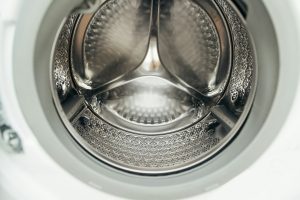
Most KitchenAid washers have a dedicated clean or affresh cycle designed to run hot with a washer-cleaning tablet or affresh product, dissolving detergent film and mineral buildup that accumulates in the tub and behind the drum. Skipping this for months at a time lets residue build up to the point where regular cycles can’t fully rinse it away, and clothes start coming out with a faint smell even when they’re technically clean.
Use the Right Amount and Type of Detergent
High-efficiency washers need HE detergent, and using too much of even the right kind is one of the most common causes of excess suds, poor rinsing, and residue buildup in the pump and drain hose. If clothes come out with visible soap residue, cutting the detergent dose is usually a faster fix than any repair.
Check and Clear the Drain Pump Filter
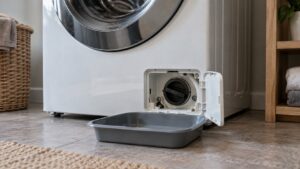
Small items — coins, buttons, bra underwires — regularly work their way into the drain pump filter, typically located behind a small access panel at the front base of the machine. A clogged filter is one of the most common reasons for a washer that won’t drain or that leaves clothes soaking wet at the end of a cycle, and it’s a five-minute fix when caught early rather than a pump replacement later.
Keep the Machine Level
An unlevel washer shakes excessively during the spin cycle, which accelerates wear on the suspension, bearings, and shocks well before they’d otherwise need attention. Check the leveling feet periodically, especially after moving the machine for any reason, and adjust until the washer sits solid on all four corners.
Inspect Hoses Once a Year
Rubber inlet hoses supplying water to the washer degrade over time, becoming brittle or developing small bulges that precede a failure — and a burst supply hose while no one is home can cause serious water damage well beyond the appliance itself. Check both hot and cold inlet hoses annually for cracking, bulging, or corrosion at the connection points, and consider upgrading to braided stainless steel hoses, which resist bursting far better than standard rubber over a similar lifespan.
When to Get a Diagnosis
A washer that still smells after a deep clean, won’t drain after the pump filter is cleared, or shakes excessively even when level likely needs a technician’s eyes on it. Our washer appliance page and dryer maintenance guide cover the rest of the laundry room, and KitchenAid’s manufacturer site has model-specific cleaning cycle instructions. These habits, kept up consistently, are what separate a washer that lasts 12+ years from one that starts having drain and odor issues by year five.