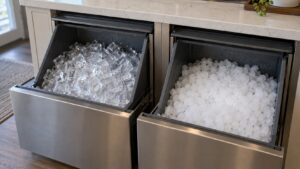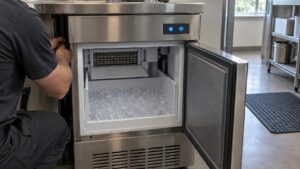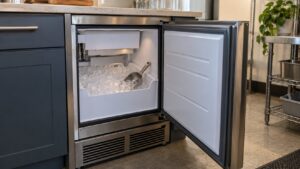

This guide covers Maintain Kitchenaid Ice Maker with practical, technician-backed advice.
An ice maker is a small, self-contained system, which is exactly why small maintenance gaps show up so quickly — cloudy ice, slow production, or a smell in the ice bin are usually the first sign that something in the water supply or the unit itself needs attention.
Understanding the Maintain Your Kitchenaid Ice Maker
Below, our specialists break down everything you need to know about the Maintain Your Kitchenaid Ice Maker.
Understanding the Maintain Kitchenaid Ice Maker
Below, our specialists break down everything you need to know about the Maintain Kitchenaid Ice Maker.
Replace the Water Filter on Schedule
Most KitchenAid refrigeration and standalone ice units rely on an inline water filter that should be replaced roughly every six months, sooner if the icon or indicator on the unit flags it earlier. A filter left in too long doesn’t just affect taste — reduced water flow through a saturated filter can slow ice production and, in some units, trigger an error code that looks like a mechanical problem but isn’t.
Clean the Ice Bin and Chute Monthly
Ice absorbs odors from the air and from anything left touching it in the bin, and mineral or biofilm buildup on the bin walls and dispenser chute is a common source of off-tasting ice even when the filter is fresh. Empty the bin, wash it with warm soapy water, dry it completely, and wipe down the dispenser chute before refilling — running the bin dry before replacement matters because residual moisture is what lets buildup start in the first place.
Check the Water Line for Kinks and Slow Flow
The water line supplying the ice maker, whether it’s a standalone unit or a refrigerator’s icemaker, can develop kinks behind the appliance or accumulate mineral scale that narrows the line’s effective diameter over years of use. Reduced flow here is one of the more common reasons for ice cubes that come out small, hollow, or slow to form, and it’s often mistaken for a problem with the ice maker module itself.
Descale Periodically in Hard Water Areas
Mineral scale doesn’t stop at the filter — it accumulates on the evaporator plate and water fill tube inside the unit itself, especially in hard water regions. Most standalone and built-in ice makers have a manufacturer-recommended descaling cycle using a food-safe descaling solution; running this every few months in hard water areas keeps ice production consistent and prevents the fill tube from narrowing to the point of blockage.
Keep the Condenser Coils and Vents Clear
Like any refrigeration component, an ice maker’s condenser coils need airflow to reject heat efficiently. Dust accumulation here forces the compressor to run longer for the same ice yield, and on undercounter units, blocked front or rear vents can cause the same slowdown even with clean coils.
Discard Old Ice Before a Long Absence
Ice sitting unused for weeks — during a vacation or a season when it’s not needed — absorbs freezer odors and can develop an off taste even without any mechanical problem. Emptying and cleaning the bin before extended periods of non-use, and again after returning, keeps the first batches of new ice from picking up stale flavor. It’s a small habit but one of the most common reasons people mistake a perfectly functional ice maker for a broken one.
When Cleaning Isn’t the Fix
If ice production stays slow after a filter change and descale, or the unit stops making ice altogether, the problem is likely in the water valve, fill tube heater, or the ice maker module itself. Check our ice maker appliance page and our related refrigerator repair cost guide, since many ice makers are integrated into refrigeration units and share failure points. KitchenAid’s site lists the correct filter part number for each model. Staying current on filter changes and descaling is what keeps an ice maker’s output consistent year over year.
Getting your KitchenAid ice maker fixed for good
Use the steps above as your starting point for any ice maker showing this behavior. If the problem behind “How to Maintain Your KitchenAid Ice Maker” persists after you have tried the safe checks here, an experienced KitchenAid technician can pinpoint the exact cause and complete the repair with genuine parts. Our specialists focus on KitchenAid ice makers specifically, so diagnosis is faster and repeat visits are rarer.
Pricing starts from a base and depends on the diagnosis — we never quote a fixed price unseen, and completed work is covered by a labor guarantee. When you are ready, book a repair online, look up any problem in our ice maker error-code library, or find your unit in the model directory.