This guide covers Kitchenaid Range Burner Or Oven with practical, technician-backed advice.
When one burner or the oven cavity on a KitchenAid range stops working while the rest of the appliance functions normally, the cause is almost always isolated to a single component: a burner igniter, a gas valve coil, a bake or broil element, or the electronic control board. Full range failures are much rarer and usually point to a tripped breaker or power supply issue instead.
Understanding the Kitchenaid Range Burner Or Oven
Below, our specialists break down everything you need to know about the Kitchenaid Range Burner Or Oven.
Gas Burner Won’t Light
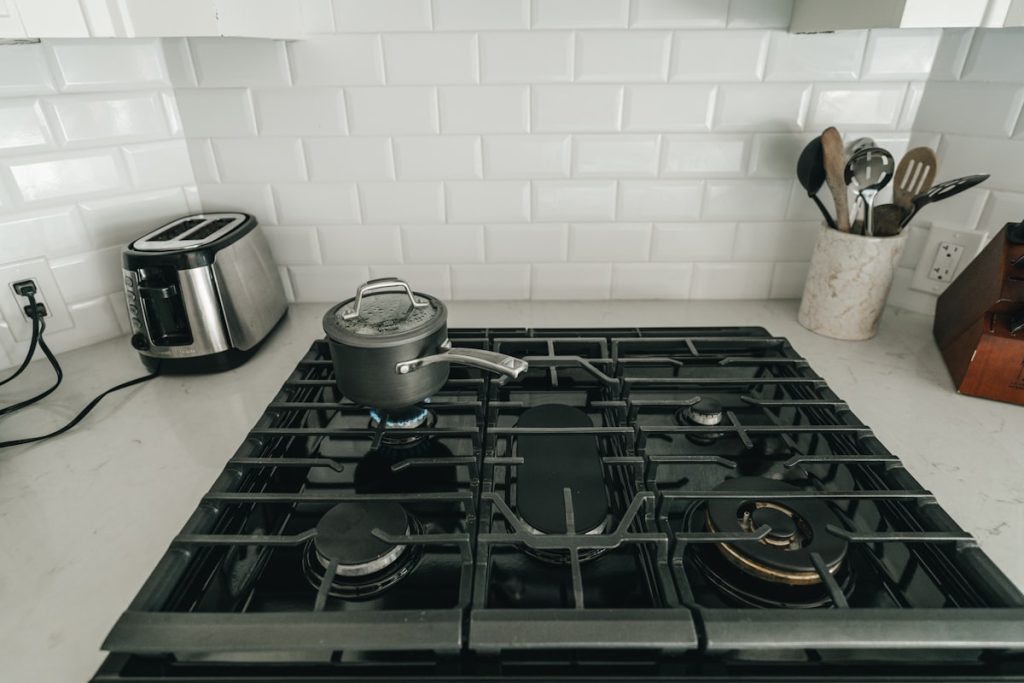
On gas ranges, each burner has its own spark igniter and a small gas valve that only opens when it senses a spark. If a single burner won’t light but you hear clicking, the igniter itself is usually functioning while the burner cap or port is clogged with food debris or moisture, blocking gas flow to the spark. Removing the burner cap and grate, then clearing the ports with a fine wire or pin, resolves this in most cases. If there’s no clicking sound at all from that burner, the igniter itself has likely failed and needs replacement, a straightforward part swap for a technician.
Electric Cooktop Element Not Heating
On electric and induction ranges, a dead surface element usually means the element itself has burned out internally, or the corresponding terminal block connection has degraded from repeated heat cycling. Induction cooktops behave differently: if the display shows an error rather than simply staying cold, that typically points to a control board failure rather than the coil itself, since induction elements rarely fail on their own.
Oven Not Heating at All
If the bake element glows and heats but the oven still won’t reach temperature, or won’t heat at all, check the oven temperature sensor and the electronic control board first. A drifting sensor causes the control board to think the cavity is hotter than it actually is, cutting power to the element prematurely. A visibly burned-out bake or broil element, recognizable by a blistered or split section of the coil, is a simpler and cheaper fix by comparison.
Self-Clean Cycle Lockouts
Some KitchenAid ovens lock the door and disable normal cooking if the self-clean cycle is interrupted or a door latch motor fails mid-cycle. If your oven suddenly won’t respond to any button press after a self-clean attempt, this latch mechanism, not the heating system, is usually the culprit.
Diagnostic Steps Before Calling for Repair
- Check the circuit breaker for the range, especially after a storm or power flicker.
- For gas ranges, confirm the gas supply valve behind the appliance is fully open.
- Clean burner caps and ports even if you don’t suspect blockage — it’s the fastest fix to rule out.
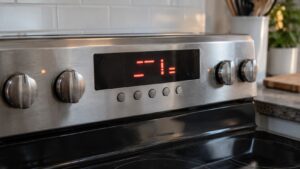
- Note whether the display shows any error code, which narrows the diagnosis considerably; see our error code library for model-specific meanings.
Dual-Fuel Ranges: An Extra Wrinkle
Dual-fuel KitchenAid ranges pair a gas cooktop with an electric oven cavity, which means a single range can have two entirely separate failure systems that happen to share one control panel. If your gas burners work fine but the electric oven won’t heat, or vice versa, that split points directly at which side of the appliance to investigate first, since a shared control board issue would typically affect both simultaneously rather than just one function. Owners troubleshooting a dual-fuel model should treat the burners and the oven as independent systems during diagnosis rather than assuming a single root cause explains both.
When It’s Time for a Technician
Control board and heating element diagnostics require multimeter testing that isn’t safe to do with the range still connected to power, especially on 240-volt circuits. Our specialist technicians carry common igniters, elements, and sensors for KitchenAid ranges from trusted parts suppliers, and most single-component failures are resolved in one visit. Browse supported range models or explore our full repair services list, then schedule a visit when you’re ready. KitchenAid publishes original specifications for current range lineups at kitchenaid.com if you want to confirm your model’s original features.