This guide covers Maintain Your Kitchenaid Cooktop with practical, technician-backed advice.
This guide covers Maintain Kitchenaid Cooktop with practical, technician-backed advice.
Maintaining a KitchenAid cooktop well means different things depending on whether it’s gas, electric, or induction, but the shared priorities are keeping the cooking surface clean immediately after spills, protecting igniters and electronic sensors from moisture and debris, and inspecting knobs and controls periodically for wear. A little routine attention prevents most of the ignition and heating complaints we see on service calls.
Understanding the Maintain Your Kitchenaid Cooktop
Below, our specialists break down everything you need to know about the Maintain Your Kitchenaid Cooktop.
Understanding the Maintain Kitchenaid Cooktop
Below, our specialists break down everything you need to know about the Maintain Kitchenaid Cooktop.
Gas Cooktop Care
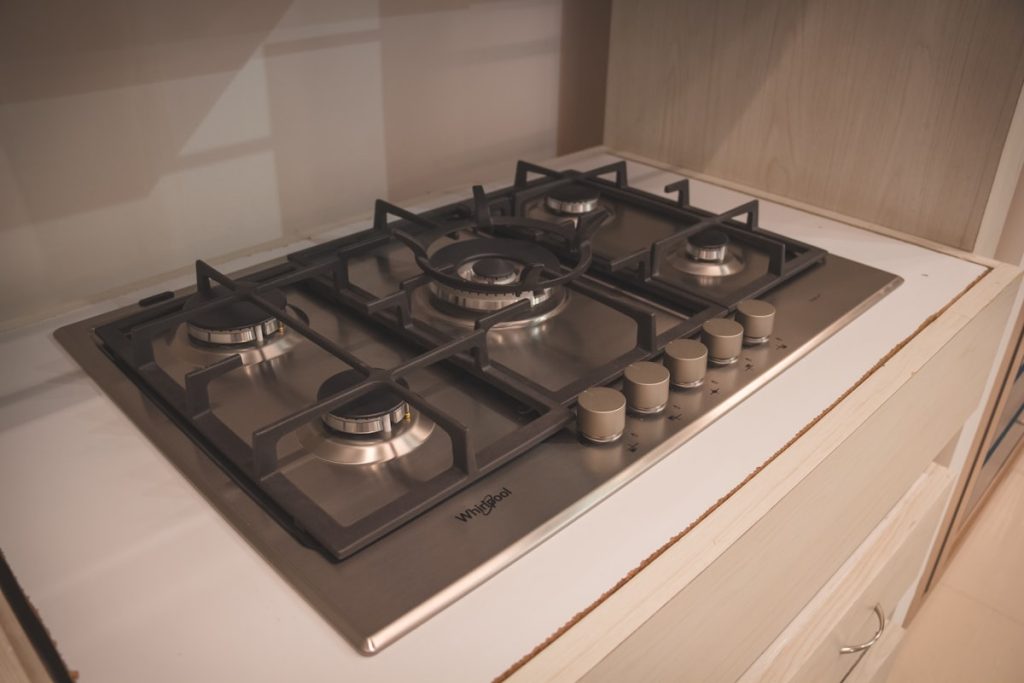
Gas cooktops need their burner caps, grates, and igniter ports cleaned regularly to prevent clogging from spills and food debris. A dirty igniter port can weaken the spark enough to delay ignition or prevent it altogether, even when the igniter itself is perfectly functional. After any boil-over, let the cooktop cool and clean the affected burner promptly rather than waiting for a weekly clean, since dried, baked-on residue is far harder to remove and more likely to interfere with ignition.
Electric Coil and Radiant Cooktop Care
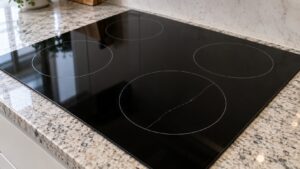
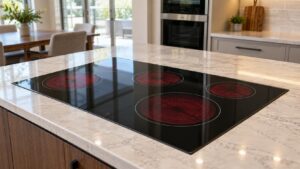
Electric coil elements should be lifted periodically to clean the drip pans and terminal connections beneath them, since spilled food and grease that reaches the terminal block can cause poor contact and uneven heating over time. Radiant glass cooktops need a cooktop-specific cleaner and a razor scraper for baked-on residue, using regular abrasive cleaners can permanently scratch the glass surface.
Induction Cooktop Care
Induction surfaces stay cooler than gas or radiant cooktops since only the cookware itself heats up, but the glass surface still needs regular wiping to prevent sugary spills from bonding to the surface, which can leave permanent marks if left too long. Because induction relies on precise electronic sensing of compatible cookware, keeping the surface free of debris also helps the cooktop detect pans correctly and avoid error codes tied to pan detection.
Control Knobs and Touch Panels
Whether your cooktop uses mechanical knobs or a capacitive touch panel, moisture and grease intrusion around the controls is one of the more common causes of erratic or unresponsive behavior over time. Wipe controls with a barely damp cloth rather than spraying cleaner directly onto touch panels, which can seep behind the surface.
Ventilation Considerations
A cooktop’s performance and cleanliness are closely tied to how well the range hood above it is working. Keeping range hood filters clean, as covered in our range hood maintenance guide, reduces the amount of airborne grease that settles back down onto the cooktop surface and controls.
Maintenance Checklist
- Clean gas burner caps and ports weekly, or immediately after any spill.
- Lift electric coil elements periodically to clean beneath them.
- Use only cooktop-rated cleaners on glass and induction surfaces.
- Wipe controls with a barely damp cloth, avoiding direct spray on touch panels.
- Keep the range hood filter clean to reduce grease settling on the cooktop.
Seasonal Deep Cleaning
Beyond weekly wipe-downs, a more thorough quarterly cleaning pays off across every cooktop type. On gas models, this means fully removing grates and burner caps to soak in warm soapy water, dissolving grease buildup that a quick daily wipe never reaches. On electric and induction surfaces, a deeper clean with a dedicated cooktop polish restores shine and helps you spot early scratches or hairline cracks before they worsen. Building this into a regular quarterly habit, rather than waiting for visible grime, keeps both performance and appearance consistent for years.
Protecting Cookware and Cooktop Together
Cookware choice affects cooktop longevity more than most owners expect. Rough or warped pot bottoms can scratch glass radiant and induction surfaces over repeated use, while undersized pans on gas burners waste heat and increase the chance of boil-overs reaching the ignition ports. Matching flat-bottomed, appropriately sized cookware to each burner or zone reduces both the mess that drives most maintenance needs and the physical wear on the cooktop surface itself.
Getting Help With Persistent Issues
If a burner still won’t ignite after thorough cleaning, or an induction zone won’t recognize cookware, the issue is likely a component failure rather than a maintenance gap; see our cooktop troubleshooting guide. Check your cooktop on our models page and schedule a repair visit. Manufacturer care guidance is available at kitchenaid.com.