This guide covers Maintain Your Kitchenaid Range with practical, technician-backed advice.
This guide covers Maintain Kitchenaid Range with practical, technician-backed advice.
A KitchenAid range, whether gas, electric, or dual-fuel, stays reliable with routine attention to four areas: keeping burner ports and grates clean, checking the oven door gasket, verifying oven temperature accuracy periodically, and cleaning the cooktop surface and control knobs to prevent grime buildup around igniters and switches. Ranges see more daily use than almost any other kitchen appliance, which makes consistent light maintenance more valuable than an occasional deep clean.
Understanding the Maintain Your Kitchenaid Range
Below, our specialists break down everything you need to know about the Maintain Your Kitchenaid Range.
Understanding the Maintain Kitchenaid Range
Below, our specialists break down everything you need to know about the Maintain Kitchenaid Range.
Burner Port and Grate Care
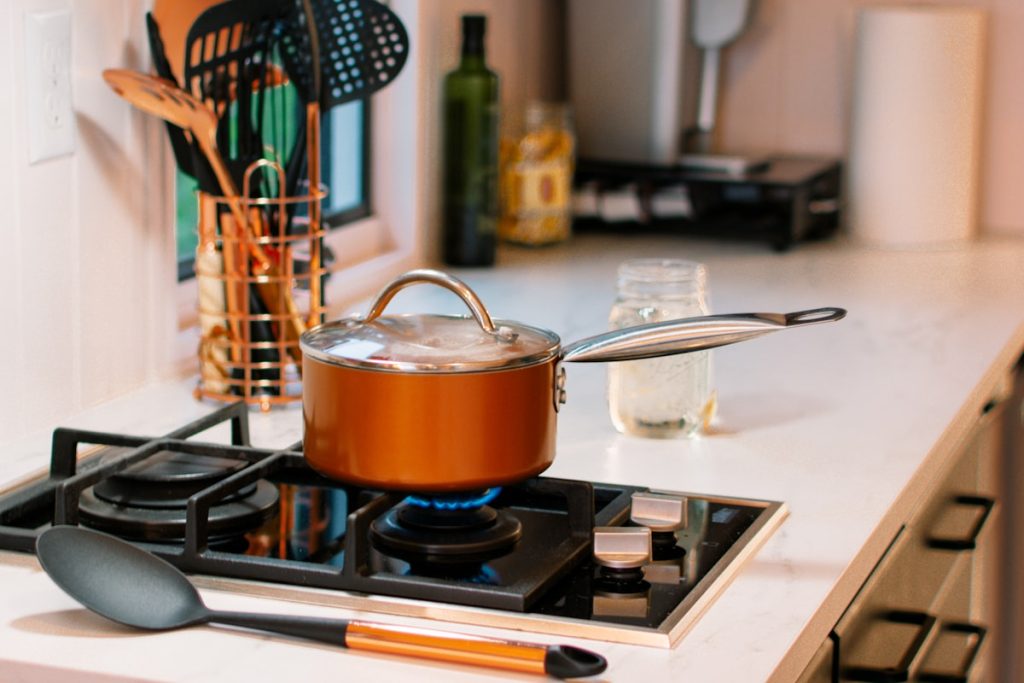
Gas burner ports clog easily with food debris, boil-over residue, and grease, which can cause uneven flames, delayed ignition, or a burner that won’t light at all. Removing burner caps and grates for a wash in warm soapy water every couple of weeks, and clearing ports with a soft brush or needle, keeps flames burning evenly and blue rather than yellow and sputtering. Electric and induction cooktops need less port maintenance but benefit from wiping spills immediately before they bake onto the surface.
Oven Door Gasket and Seal
The gasket around the oven door keeps heat inside the cavity during baking and roasting, and a worn or torn gasket lets heat escape, forcing the oven to run longer cycles to maintain temperature and sometimes causing uneven baking results. Inspect the gasket periodically for fraying, flattening, or gaps, especially near the corners and hinges where wear concentrates first.
Oven Temperature Calibration
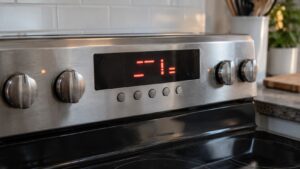
Oven temperature sensors can drift a few degrees over years of heating cycles, even on well-maintained units. Placing an inexpensive oven thermometer inside during a preheat cycle and comparing it to the display reading is an easy way to check accuracy. Many KitchenAid ranges allow a manual offset adjustment in the control settings if you find a consistent discrepancy, which is detailed in the owner’s manual for your specific model.
Cleaning the Cooktop and Controls
Spills that reach the control knobs or touch panel can seep into switches and electronic components over time, gradually degrading responsiveness or causing erratic behavior. Wiping down knobs and the surrounding bezel regularly, and avoiding excessive water directly on touch control panels, protects these components far longer than periodic deep cleans alone.
Maintenance Checklist
- Clean burner caps, grates, and ports every two to three weeks.
- Inspect the oven door gasket seasonally for tears or flattening.
- Check oven temperature accuracy with a standalone thermometer twice a year.
- Wipe control knobs and panels regularly, being mindful of moisture near touch controls.
- Run the self-clean cycle sparingly, since it stresses door latch components.
Caring for Dual-Fuel and Induction Range Surfaces
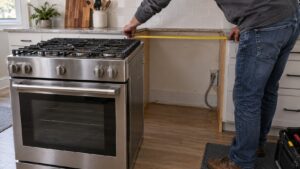
Dual-fuel and induction ranges add their own maintenance wrinkles on top of standard oven care. On dual-fuel models, keep the electric oven’s back wall vent free of any stored items nearby, since restricted airflow around the range itself can affect how efficiently the oven cavity heats. Induction range surfaces should be cleaned with a cooktop-specific glass cleaner rather than general kitchen sprays, which can leave a residue that interferes with the surface’s ability to detect compatible cookware accurately over time. Slide-in range models also have a decorative side panel gap that can trap spills between the range and adjacent countertop, so periodically pulling the range slightly forward to wipe that gap prevents grime from accumulating somewhere entirely out of everyday sight.
Ventilation and Exterior Panel Care
Don’t overlook the exterior side panels and rear vent openings on a freestanding range, since blocked ventilation there can cause the same uneven heating symptoms as an internal component failure while being entirely preventable with a quick vacuum pass every few months. Keeping a few inches of clearance around a freestanding range, rather than pushing cabinetry or storage right up against the sides, protects both airflow and the electrical connections routed through the rear panel.
When to Call a Technician
If you notice a burner that won’t ignite even after cleaning, or an oven that bakes unevenly despite calibration checks, it’s likely a component failure rather than a maintenance gap. Our range troubleshooting guide covers the most common culprits. Check your range against our models page and schedule a visit with an experienced technician. KitchenAid’s manufacturer site at kitchenaid.com has model-specific care instructions.