
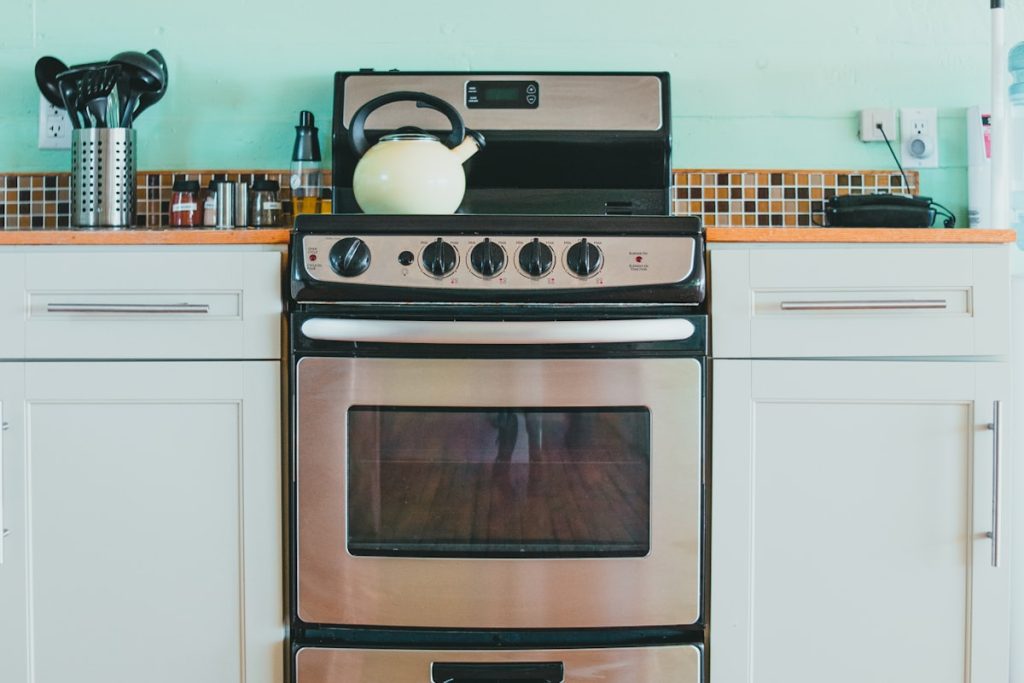
This guide covers Maintain Your Kitchenaid Oven with practical, technician-backed advice.
This guide covers Maintain Kitchenaid Oven with practical, technician-backed advice.
A KitchenAid oven that bakes evenly and heats up quickly usually isn’t the product of luck — it’s the result of a few maintenance habits repeated on a schedule. Between the Even-Heat convection fan, dual-fuel ignition components, and self-clean cycles, there are several parts that reward a little attention and punish neglect. Here’s what actually keeps an oven out of the repair queue.
Understanding the Maintain Your Kitchenaid Oven
Below, our specialists break down everything you need to know about the Maintain Your Kitchenaid Oven.
Understanding the Maintain Kitchenaid Oven
Below, our specialists break down everything you need to know about the Maintain Kitchenaid Oven.
Wipe Spills Before They Bake On
Every splatter left in the cavity turns into carbon the moment the oven is used again, and carbon buildup is what eventually forces a full self-clean cycle — the single hardest thing you can do to an oven’s door gasket and electronics. A damp cloth wipe-down after the cavity cools, done weekly in a busy kitchen, keeps residue from accumulating and reduces how often the self-clean function needs to run at all.
Inspect the Door Gasket Twice a Year
The door seal is a rubber and fiberglass gasket that keeps heat inside the cavity. Once it flattens, cracks, or comes loose from its channel, the oven’s thermostat compensates by running the heating element longer to hold temperature — which shows up as slower preheats and higher energy bills. Run a hand around the gasket looking for stiff or torn sections, and reseat it into its channel if it has pulled free anywhere.
Keep the Convection Fan and Vent Clear
Even-Heat convection depends on unobstructed airflow around the rear vent. Large bakeware pressed against the back wall, foil liners draped over the floor of the cavity, or grease film on the fan blades all throw off temperature distribution and can trigger uneven baking that owners often mistake for a failing sensor. Clear a few inches around the vent and avoid lining the oven floor with foil — it isn’t rated for that surface and can trap heat against components it wasn’t designed to touch.
Check Calibration If Baking Times Drift
Ovens drift out of calibration slowly enough that most people adjust their recipes instead of noticing the appliance is off. If cakes are consistently underbaked at the stated time and temperature, verify the reading with an independent oven thermometer placed on the center rack. Many KitchenAid control panels allow a self-calibration offset through the settings menu, and correcting a 15–25 degree drift there is far cheaper than living with it or assuming the oven needs a new sensor.
Don’t Ignore Igniter and Element Warning Signs
On gas models, a slow-to-light burner or an igniter that glows longer than 90 seconds before the flame catches is a part nearing failure, not a quirk to work around. On electric models, a bake or broil element that glows unevenly, arcs, or has a visible blister is a safety issue that should be addressed before it fails completely and possibly damages the control board. Left alone, either problem tends to escalate from an inconvenience to a same-day service call.
Season the Oven After Deep Cleaning
After a self-clean cycle or a deep manual clean, it’s worth running the empty oven at a moderate temperature for 15–20 minutes before baking anything in it. This burns off any cleaning residue or the fine white ash self-clean cycles leave behind on the cavity floor, so it doesn’t transfer to the next dish. It also gives you a chance to smell for anything unusual — a lingering electrical smell after cleaning is worth investigating rather than ignoring, since it can point to a wiring or element issue exposed by the high heat of the clean cycle.
When to Call for Service
Routine wipe-downs and gasket checks cover most of what keeps an oven reliable, but persistent temperature swings, error codes that return after a power cycle, or a self-clean cycle that won’t complete are signs the issue has moved past cleaning. Our technicians diagnose KitchenAid ovens without guessing at parts, and if you’re weighing whether a repair still makes sense, our oven repair cost guide breaks down what typically drives the bill. For the appliance’s full spec range and factory guidance on cavity care, KitchenAid’s own site is a useful reference: kitchenaid.com.
Pairing this routine with the habits in our oven care overview should keep most KitchenAid ovens running well past the point where less-maintained units start needing parts.