TL;DR: A KitchenAid model number such as KFID500ESS reads left to right. The K stands for KitchenAid, the next one or two letters tell you the product family, the digits point to the series and size, and the last letters describe the finish. That is enough to tell a range from a cooktop and stainless from black, but the tag on your appliance is the only authority, because the pattern has exceptions and some numbers carry a revision suffix.
What does each part of a KitchenAid model number mean?
Think of the number in four chunks. The first letter is always K for KitchenAid. The next one or two letters name the kind of appliance. The digits that follow describe the series and the size or generation. The trailing letters, usually two or three, describe the finish or color. Take KDFM404KPS apart and you get K for the brand, DF for a dishwasher with front controls, M404 for the series and feature level, and KPS for the PrintShield stainless finish.
The same logic holds across the line. KFID500ESS is a freestanding range with induction, 500 for the series and ESS for stainless steel. KICU569XBL is an induction cooktop whose 569 matches its 36-inch width and XBL its black finish. Reading the number this way is useful when you are describing a problem on the phone, comparing two products, or checking that a part really fits.
Laundry numbers follow the same shape. In KEYS850J the K is the brand, EY marks an electric dryer in the Superba line, 850 is the series and the final letter belongs to the series coding, while the gas twin KGYS850J swaps the E for a G. When two numbers differ by a single letter like that, they are usually the same machine built for a different fuel or finish, and the difference matters to anyone ordering a part or a vent kit.
Which letters usually show the product family?
Treat the table below as a pattern that works for the models on our site, not as a law. KitchenAid builds many variations, and a few sub-lines break the rule.

What do the finish letters at the end mean?
The last letters follow a few common conventions on our site’s models. ESS generally means stainless steel, EBL or XBL black, EWH white, and endings such as KPS, SPS, FPS or HPS the PrintShield stainless finish that resists fingerprints. EPA marks a panel-ready unit meant to take a custom cabinet front. You can see it on the panel-ready KBFN502EPA built-in French door refrigerator. If you are matching a replacement door panel or a trim kit, the finish letters are the part of the number to get exactly right. For care of that finish, see our guide to cleaning PrintShield stainless steel.
Why do some model numbers have extra digits at the end?
Customers often quote numbers like KDTE704DSS1 or KDRP467KSS09. The trailing digit or pair of digits is generally a revision marker. It tells the manufacturer that the appliance was built with a particular set of parts, and two units with the same base model can have different boards, sensors or pumps inside. That is why a technician will ask for the whole number rather than the shortened one. Quoting the full string, with the revision, avoids ordering a part that fits the neighbor but not you.
Where do you find the model and serial number?
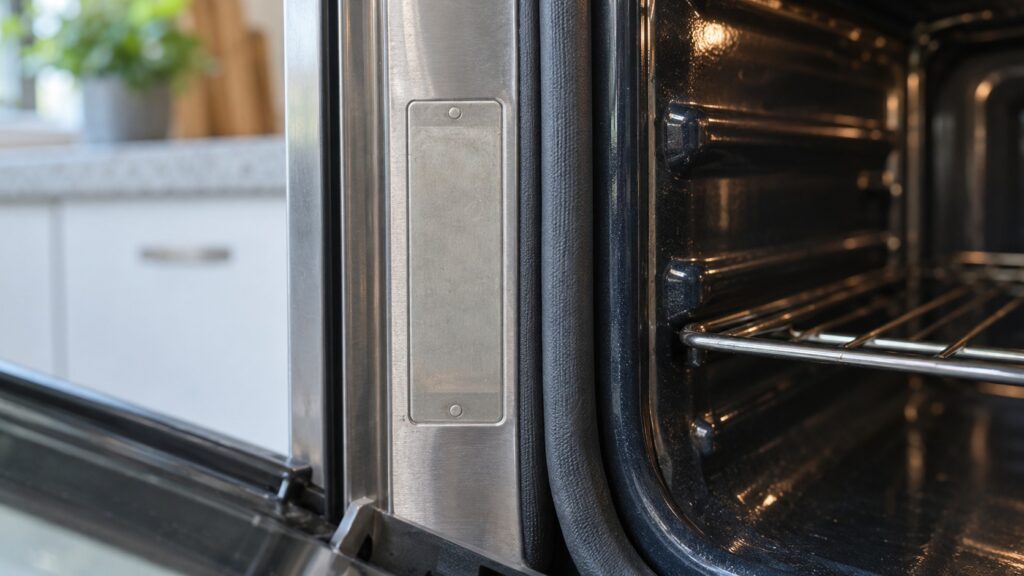
On a silver or white label, and the location depends on the product:
- Refrigerators: inside the fresh-food compartment, often on a side wall or around the door frame.
- Dishwashers: on the edge or inner side of the door.
- Ranges and wall ovens: on the frame around the oven opening, behind the door or the drawer.
- Washers and dryers: around the door opening, or under the lid on a top-load washer.
- Cooktops: on the underside, so photograph it before installation if you can.
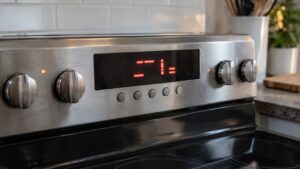
Take a photo of the tag as soon as the appliance is installed. If it ever stops working, you will have the full number without moving anything. You can also look up your model on our site, for example the KFID500ESS page or the KDFM404KPS page, to see its specifications and the error codes it can show.
How do you use the number when you need help?
Give the full model number, the serial number, and the exact words or code on the display. That trio lets us tell you what the code means before anyone drives out; our error codes glossary explains the code formats, and the cooking appliance terms glossary and refrigeration terms glossary cover the vocabulary that goes with them. For a warranty question, the number also matters; see the warranty check before repair or replace guide. When you are ready, book a visit and have the tag photo handy.