A KitchenAid warranty check is the first thing worth doing when an appliance fails and the second thing worth understanding properly, because what a warranty covers and what people assume it covers are rarely the same. Five minutes of looking it up can change a repair-or-replace decision completely — and just as often it confirms that the decision is yours to make. This guide explains how to check, what the answer usually means, and how it should shape what you do next.
Find the numbers first
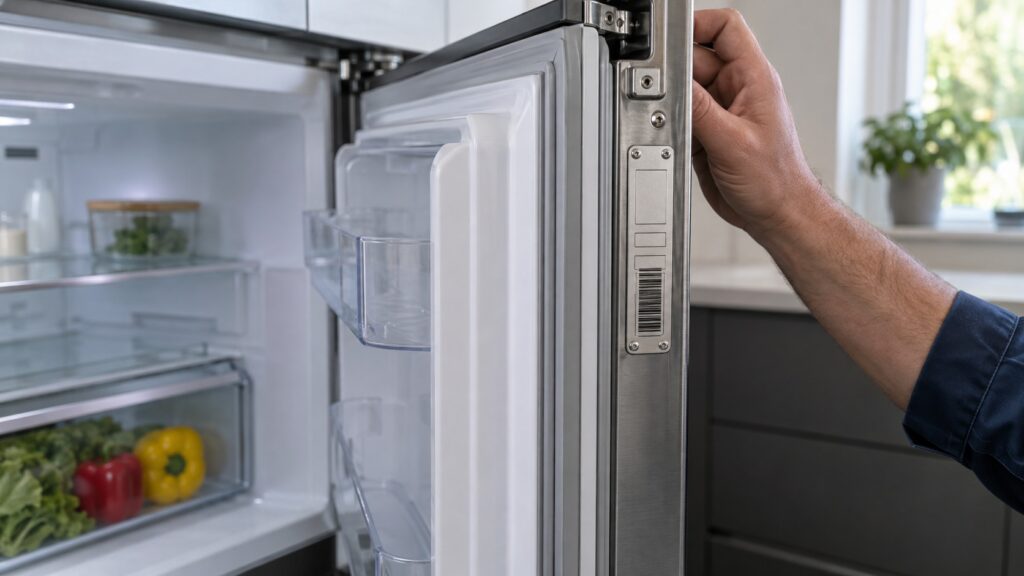
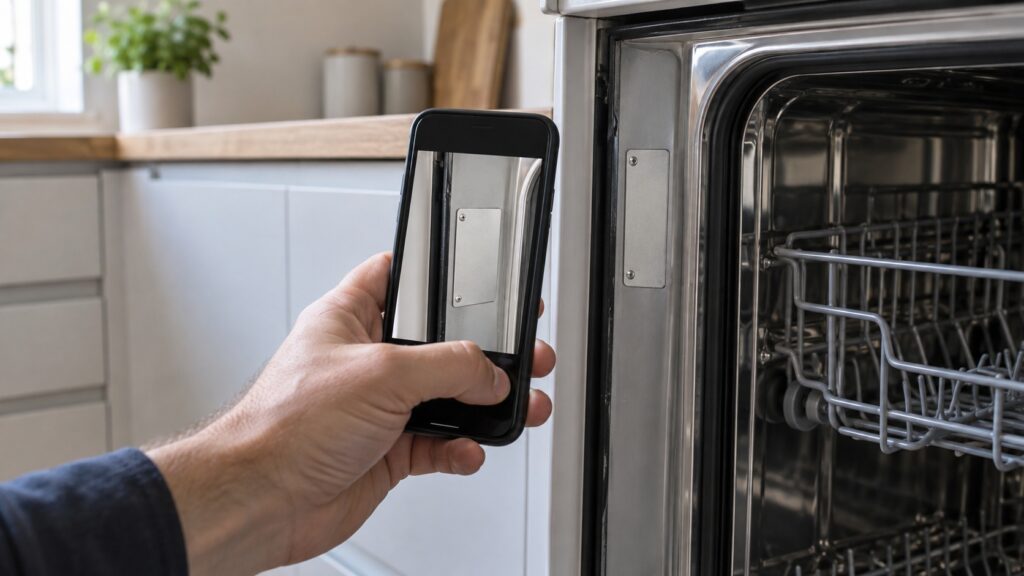
Every warranty conversation starts with the model and serial number, so find them before anything else. On a dishwasher they are on the door edge, visible with the door open. On a range or wall oven, inside the door frame or behind a drawer. On a refrigerator, on an interior wall or behind the toe grille. On laundry appliances, inside the door or on the back panel.
Photograph the plate rather than copying it by hand — serial numbers are long, and a transcription error costs another trip to the kitchen. Keep the photo somewhere you can find it in a hurry, because the next time you need it, something will already have gone wrong.
Checking status
Registration is not the same thing as coverage. An unregistered appliance is usually still covered if you can show when it was bought, and registering one after the fact does not extend anything. What determines coverage is the purchase date and the terms that applied to that model at that time.
If the appliance came with a house, the picture is different: coverage generally runs from the original purchase, not from when you moved in, and a builder-installed appliance may have been sitting for months before that. A closing packet or the builder’s paperwork sometimes has the date; otherwise the serial number is the only clue.
What warranties typically do and do not cover
That last row is where most surprises live. A component covered in year four may come with no labor allowance at all, which means you are paying for the visit and the fitting either way. Knowing that before the appointment changes how you plan the repair.
Installation is the exclusion that catches people most often, and it is worth understanding rather than resenting. A dishwasher that leaks because the drain hose has no high loop, a dryer that overheats because its vent is crushed, an ice maker that fails because it was never given a drain — all of those are installation problems, and no manufacturer covers them. The repair is still straightforward; it is simply a repair you are paying for. Our experience is that a technician who names the installation fault plainly saves an owner from having the same failure again in a year, which is worth more than the argument about who should pay for this one.
How the answer changes the decision
In warranty, with labor. Use it. There is nothing to weigh — go through the manufacturer’s channel for that repair.
In warranty, parts only. Weigh it. The part may be free, and you still pay for diagnosis and labor. Compare that against an independent repair using an equivalent part.
Out of warranty. The decision is entirely about cost and condition — what failed, what the part costs, how old the appliance is and what else is close to failing. That is the same arithmetic our guides on dishwasher repair or replace and refrigerator repair or replace work through.
Extended plans. If a retailer or card issuer added coverage, check that too — those terms are separate, and people routinely forget a plan they paid for.
A note on who we are
We are an independent repair company. We are not the manufacturer’s service arm, we do not administer anyone’s warranty, and a repair we carry out is not a warranty claim. What we can do is diagnose the fault honestly, tell you exactly what failed and what it costs to fix, and leave you to decide whether that is best pursued through a warranty or through us.
That diagnosis is useful either way. Knowing that a machine needs one sensor rather than a control board is what lets you judge a quote, a warranty response or a replacement, and it is the information the rest of the decision hangs on.
Keep the paperwork where you will find it
Tape a card inside a cabinet with the model, serial and purchase date of each major appliance, and keep receipts in one place. When something fails on a holiday weekend, that card is the difference between a five-minute call and an afternoon of hunting. Our guide on extending appliance life covers the habits that keep them out of the warranty conversation entirely.
A last practical note: photograph the receipt as well as the rating plate. Retailers change systems, email archives get cleared, and a purchase date you cannot prove is a warranty you effectively do not have. A photograph of the receipt kept with the model and serial in one place is five minutes of work that decides who pays for a repair three years from now.
When to call
Call when you need a straight diagnosis to judge your options, when an appliance has failed outside its coverage, or when you want an honest opinion on whether a repair is worth doing at all. We will tell you when something is worth fixing and when it is not, including when the answer means we do not do the work.
Pricing starts from a diagnostic visit, and we confirm the estimate before any work begins. You can schedule a visit online.