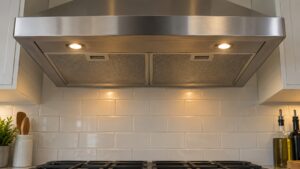
This guide explains the Kitchenaid Range Hood No-Ext Error: what it means, what causes it, and how to resolve it safely.
Understanding the Kitchenaid Range Hood No-Ext Error
Below, our specialists break down everything you need to know about the Kitchenaid Range Hood No-Ext Error.
Understanding the Kitchenaid No-Ext Error
Below, our specialists break down everything you need to know about the Kitchenaid No-Ext Error.
What NO-EXT means on your KitchenAid range hood
Range hood owners who spot a NO-EXT code on the console are looking at a targeted diagnostic message, not a generic glitch. NO-EXT describes a condition where the range hood is running but failing to effectively extract smoke and cooking vapors. Airflow is reduced below the level needed to clear the cooking surface. That specific finding produces the KitchenAid NO-EXT error.
In many cases you can address this yourself first: Cleaning filters and clearing the exterior vent restores normal extraction. No breaker reset or service is required if the cause is maintenance-related. The rest of this guide walks through the symptoms you’d expect to see alongside it, the components most commonly responsible, and what a technician checks before recommending a repair.
Symptoms
A handful of everyday clues usually accompany this code:
- The hood control panel or button lights up with the NO-EXT indicator
- Fan speed drops, becomes inconsistent, or the motor fails to start
- Cooking odors, smoke, or steam linger in the kitchen instead of being pulled out
- Lighting flickers, stays off, or only partially illuminates the cooktop
- Unusual vibration, rattling, or grinding noise comes from the hood housing
Common causes
A handful of distinct failure paths can produce this same code, ranging from simple to involved:
- Grease filters clogged — The mesh grease filters have accumulated enough grease and residue to significantly restrict airflow. This is the most common cause of reduced extraction and is homeowner-fixable. This is one you can often rule out yourself before calling anyone.
- Ductwork partially blocked or collapsed shows up often behind this code. The ductwork running from the hood to the exterior wall or roof vent may be kinked, crushed, or partially blocked by debris. Older installations with flex duct are particularly prone to this. Left to a specialist, this is usually confirmed with a multimeter or manufacturer diagnostic mode rather than guesswork.
- Technicians also see backdraft damper stuck partially closed lead to this code. The backdraft damper at the exterior termination has stiffened or accumulated debris and no longer opens fully when the hood runs. This is particularly common after winters with significant dust or nesting material from birds. A homeowner can usually check for this in a few minutes with no special tools.
Troubleshooting steps you can try
Work through these checks in order — each is safe for a homeowner and helps narrow down what is causing the problem on your KitchenAid range hood before you call anyone.
- Remove and clean the grease filters: Pull out each grease filter and wash with hot soapy water or in the dishwasher on a regular cycle. Heavy grease loads may require a degreasing soak. Dry fully and reinstall. Grease filter cleaning should happen every one to three months depending on cooking frequency. A heavily loaded filter can lose 50% or more of its airflow.
- Inspect the exterior vent termination — Go outside and look at the vent termination on the wall or roof. Check that the backdraft damper opens when the hood is running. Remove any visible debris, leaves, or nesting material. The damper should move freely. Running the hood on high and then checking the exterior vent is the easiest way to verify the air is actually making it all the way out.
When to call a technician
Certain range hood conditions are not safe or practical to fix yourself — call a professional if:
- Ductwork inspection required through the cabinet wall
- Fan blade damage reducing airflow
- Motor speed measurably below specification
Since this particular code often clears with a simple reset, give that a try first — but don’t keep resetting past the point where the same problem keeps returning within a day or two. If you’d rather not troubleshoot a KitchenAid range hood yourself, schedule a visit with our team, or browse our full error code library for related problems. For manufacturer specifications on your exact model, KitchenAid’s own site at kitchenaid.com is a useful reference, though our technicians are independent specialists and not affiliated with the manufacturer.
Before any appointment, jot down the exact code text, when it first appeared, and what you already tried — that short history lets an experienced technician arrive with the likely part already in hand instead of needing a second visit just to diagnose the problem.