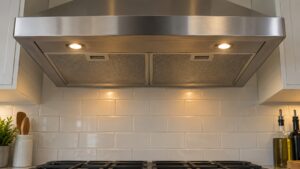
This guide explains the Kitchenaid Range Hood Vib Error: what it means, what causes it, and how to resolve it safely.
Understanding the Kitchenaid Range Hood Vib Error
Below, our specialists break down everything you need to know about the Kitchenaid Range Hood Vib Error.
Understanding the Kitchenaid Vib Error
Below, our specialists break down everything you need to know about the Kitchenaid Vib Error.
What VIB means on your KitchenAid range hood
The KitchenAid VIB error shows up on range hood models when internal sensors or logic circuits register excessive Vibration or Noise. VIB describes a condition where the range hood produces excessive noise, vibration, or rattling during operation. The motor may be failing mechanically or a physical component has come loose.
Because this reflects an actual mechanical or electrical condition, mechanical issues do not clear with power cycling. Physical repair or cleaning is required. The rest of this guide walks through the symptoms you’d expect to see alongside it, the components most commonly responsible, and what a technician checks before recommending a repair.
Symptoms
The code rarely appears in isolation — here’s what else tends to show up alongside it:
- The hood control panel or button lights up with the VIB indicator
- Fan speed drops, becomes inconsistent, or the motor fails to start
- Cooking odors, smoke, or steam linger in the kitchen instead of being pulled out
- Lighting flickers, stays off, or only partially illuminates the cooktop
Common causes
Root causes for this code fall into a few recognizable categories:
- Fan blade imbalanced or damaged — Grease buildup has caused an uneven accumulation on the fan blade, throwing it out of balance. A cracked or bent blade produces similar vibration. Worth ruling this out first since it costs nothing but a little time.
- Motor mount loose or bearings failing shows up often behind this code. The motor mounting hardware has loosened over time, allowing the motor to vibrate against the housing. Failing motor bearings produce additional noise and vibration. Left to a specialist, this is usually confirmed with a multimeter or manufacturer diagnostic mode rather than guesswork.
- Loose hardware or mounting screws shows up often behind this code. Installation hardware has loosened from years of vibration, allowing the hood housing to resonate with the motor. Tightening hardware often resolves this. A homeowner can usually check for this in a few minutes with no special tools.
Troubleshooting steps you can try
Before booking a technician, run through these homeowner-safe checks on your KitchenAid range hood — they often isolate the cause and occasionally fix the problem.
- Turn off and inspect for loose hardware — Switch off the hood. Check visible mounting screws, filter retention hardware, and any removable panels. Tighten anything loose. Remove filters and check their retention tabs. Loose filter retention tabs are a common cause of rattle that is easy to overlook because the filters themselves look fine.
- Clean the fan blade: After power is off, access the fan blade from underneath (after removing filters). Wipe off any grease buildup with a degreasing cleaner. Check for visible damage to the blade edges. Reinstall filters and test. Severe grease buildup can add several ounces of mass to one side of a blade, creating significant imbalance. Regular cleaning prevents this.
When to call a technician
Some range hood problems need professional tools and parts. Call an experienced technician when:
- Fan blade replacement needed due to damage
- Motor bearing replacement required
- Mounting hardware requires reinforcement or replacement
Because this code reflects a real hardware or sensor condition rather than a passing glitch, repeated resets won’t resolve it on their own. If you’d rather not troubleshoot a KitchenAid range hood yourself, schedule a visit with our team, or browse our full error code library for related problems. For manufacturer specifications on your exact model, KitchenAid’s own site at kitchenaid.com is a useful reference, though our technicians are independent specialists and not affiliated with the manufacturer.
Before any appointment, jot down the exact code text, when it first appeared, and what you already tried — that short history lets an experienced technician arrive with the likely part already in hand instead of needing a second visit just to diagnose the problem.