
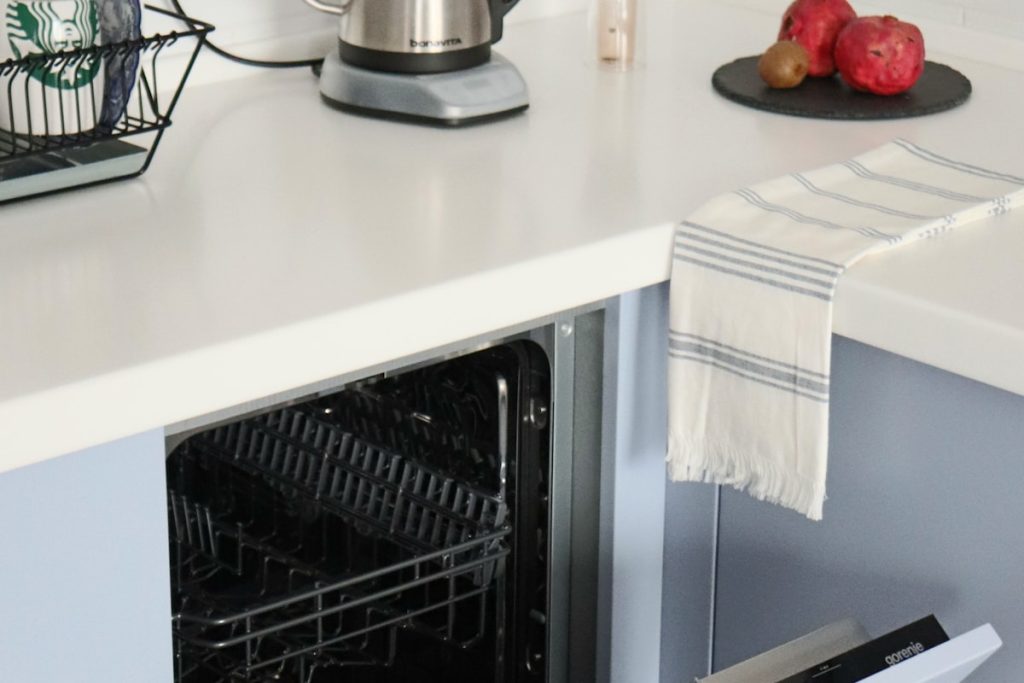
This guide covers Kitchenaid Dishwasher Features Compared with practical, technician-backed advice.
KitchenAid dishwasher models differ mainly in wash system intelligence, rack flexibility, noise level, and drying technology, and understanding these differences upfront helps you avoid paying for features you won’t use — or skipping ones you’ll wish you had after a few months of ownership.
Understanding the Kitchenaid Dishwasher Features Compared
Below, our specialists break down everything you need to know about the Kitchenaid Dishwasher Features Compared.
ProWash Cycle and Sensor Technology
KitchenAid’s ProWash cycle uses sensors to detect soil level in the wash water and automatically adjusts water temperature, cycle length, and spray intensity to match how dirty your dishes actually are. This means you don’t have to guess between a normal, heavy, or light cycle for every load — the dishwasher adapts on its own. Higher-tier models generally include more refined sensor technology, which can mean better cleaning consistency across mixed loads of lightly and heavily soiled dishes.
Rack Design and Flexibility
Third rack designs, adjustable tines, and fold-down shelves vary significantly between models. A dedicated third rack adds space for flatware and small items, freeing up the lower rack for larger plates and cookware. Adjustable upper racks that move up or down let you fit tall stemware or large pots without rearranging the entire load. If your household frequently washes bulky items like sheet pans or mixing bowls, look specifically at lower rack tine configuration and fold-down capability rather than just overall place-setting capacity.
Noise Level (Decibel Ratings)
Dishwasher noise is measured in decibels, and KitchenAid offers a range from around 39 dBA on premium quiet models up to the mid-40s or higher on standard models. For context, anything under 45 dBA is generally considered quiet enough to run during conversation or while watching television nearby. If your kitchen is open to your living space, prioritizing a lower decibel rating is worth the incremental cost difference.
Drying Performance
Drying technology ranges from basic heated dry to more advanced fan-assisted drying systems that circulate air to reduce moisture and spotting, particularly on plastic items that traditional heat-only drying struggles with. If you frequently wash plastic containers and find them coming out damp, a model with enhanced drying technology will make a noticeable difference.
Interior Materials and Durability
Interior tub material affects both durability and noise insulation. Stainless steel tubs tend to retain heat better for improved drying performance and typically run quieter than plastic tub interiors, though they come at a higher price point. If longevity and quiet operation matter more than upfront cost, a stainless interior is generally the better long-term investment.
Filtration System
Most current KitchenAid dishwashers use a self-cleaning filtration system that macerates food particles, though some models still use a manual filter that needs periodic cleaning to maintain wash performance. Check which system a model uses before buying, since manual filters require more owner maintenance but can offer marginally better wash performance for households that don’t rinse dishes beforehand.
Cycle Options and Wash Times
Beyond ProWash, most models offer dedicated cycles for delicate glassware, quick washes for lightly soiled loads, and sanitize options that raise final rinse temperature for additional germ reduction. Cycle time varies meaningfully between these options, from around 30 minutes for a quick wash to well over two hours for a heavy sanitize cycle, so if speed matters for your household’s routine, check the available quick-wash cycle length before buying rather than assuming all models are similar.
Choosing Based on Your Household
For a busy household with mixed dish types and no time for manual filter cleaning, prioritize ProWash sensor technology and a self-cleaning filter. For open-concept kitchens, prioritize a lower decibel rating. For households washing a lot of plastic, prioritize fan-assisted drying. If you’re maintaining your filter regularly already, see our dishwasher filter cleaning guide, and our dishwasher repair service page covers troubleshooting for wash and drain issues across all these feature sets. Current model comparisons are available at KitchenAid.com. Weighing these feature tradeoffs against your household’s actual dish-washing habits, rather than the longest feature list, is the more reliable way to land on a model you’ll be satisfied with.