
This guide covers Kitchenaid Microwave Not Heating with practical, technician-backed advice.
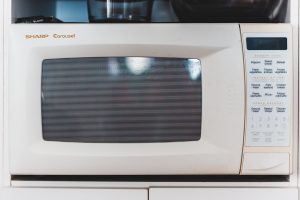
If a KitchenAid microwave still turns the turntable, lights up, and runs normally but food comes out just as cold as it went in, the most likely culprits are a failed magnetron tube, a faulty door interlock switch, a burned-out high-voltage diode, or a blown high-voltage fuse. This is one of the more distinctive appliance symptoms because everything appears to work except the actual heating function.
Understanding the Kitchenaid Microwave Not Heating
Below, our specialists break down everything you need to know about the Kitchenaid Microwave Not Heating.
The Magnetron: Most Common Cause
The magnetron is the component that actually generates microwave energy, and it’s the single most common point of failure in a unit that runs but doesn’t heat. Magnetrons degrade gradually with age and heavy use rather than failing instantly, so you may notice food taking progressively longer to heat over several months before the microwave stops heating entirely. Unfortunately, a failed magnetron is one of the pricier microwave repairs, and depending on the model’s age, it’s worth weighing against replacement cost, a comparison covered in our repair-or-replace guide for microwaves.
Door Interlock Switches
Every microwave has two or three interlock switches that confirm the door is fully closed before allowing high voltage to the magnetron, as a safety measure. If even one of these switches fails or misaligns, the microwave can appear to run completely normally, turntable spinning and display lit, while the high-voltage circuit stays disabled for safety. This is actually good news from a repair standpoint, since switches are inexpensive compared to a magnetron and safer to diagnose.
High-Voltage Diode and Capacitor
The high-voltage diode converts AC current into the DC voltage the magnetron needs to operate, and a failed diode cuts off that power entirely even though the transformer and control board are functioning. This component sits in a high-voltage section of the microwave that stores dangerous electrical charge even after unplugging, which is exactly why microwave repairs should never be attempted as a DIY project.
Blown High-Voltage Fuse
A dedicated fuse protects the high-voltage circuit from spikes, and when it blows, it typically indicates another component further downstream, often the diode or magnetron, has already partially failed and caused a current surge. Replacing just the fuse without addressing the root cause usually leads to the same fuse blowing again within days.
Safety Note Before Attempting Anything
Microwaves store lethal amounts of electrical charge in their high-voltage capacitor even when unplugged from the wall, and this charge doesn’t dissipate the way it does in most other appliances. There is no safe way to open a microwave cabinet and test these components without proper discharge tools and training, so this repair category should always go to a professional.
Signs Worth Checking First
- Confirm the door latches fully and the display isn’t showing a door-open indicator.
- Listen for the usual hum during operation; a much quieter than normal run often signals magnetron failure.
- Check whether the turntable and interior light both function, which rules out a total power failure.
Over-the-Range vs Countertop Models
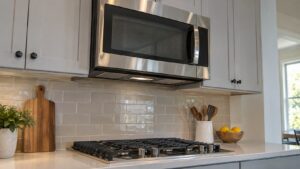
Over-the-range KitchenAid microwaves combine heating with a built-in ventilation fan for the cooktop below, which means a heating failure on these units is worth checking against the vent fan’s behavior too. If both the heating and the fan have stopped, a shared power supply issue upstream of the microwave itself, such as a tripped breaker or a failed wall outlet, is more likely than two unrelated component failures happening at once. Countertop models don’t share this dual function, so a heating-only failure on those units points more directly at the magnetron or interlock switches described above.
Microwave Drawer Models
KitchenAid also makes drawer-style microwaves that slide open horizontally rather than swinging outward like a traditional door. These use a different interlock switch mechanism tied to the drawer’s rail sensors instead of a hinge-mounted switch, so troubleshooting a drawer model’s interlock issue means checking the rail sensor alignment rather than a door latch. If the drawer doesn’t seat and close fully square within its rails, that misalignment alone can trip the safety interlock and prevent heating even with every internal component working correctly.
Getting It Repaired
Because of the safety risks involved, our specialist technicians handle magnetron, diode, and interlock switch replacements with proper high-voltage discharge procedures, using parts from trusted parts suppliers matched to your exact KitchenAid model. Check your microwave against our models directory, review our repair services, and schedule an appointment when ready. For current KitchenAid microwave specifications, visit kitchenaid.com.