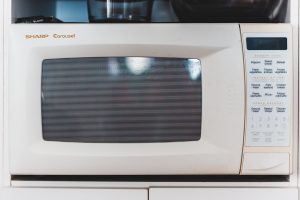
This guide explains the Kitchenaid Microwave F3 Error: what it means, what causes it, and how to resolve it safely.
This guide explains the Kitchenaid F3 Error 2: what it means, what causes it, and how to resolve it safely.
Understanding the Kitchenaid Microwave F3 Error
Below, our specialists break down everything you need to know about the Kitchenaid Microwave F3 Error.
Understanding the Kitchenaid F3 Error 2
Below, our specialists break down everything you need to know about the Kitchenaid F3 Error 2.
What F3 means on your KitchenAid Microwave
F3 is the shorthand a KitchenAid microwave uses when its control logic determines that a problem in the humidity or steam sensor used by Sensor Cook functions. The sensor is reading out of range and the affected cook modes are disabled. The short version, sometimes shown on diagnostic mode as “Humidity Sensor failure”, is humidity sensor failure.
The good news about a KitchenAid F3 error is that it rarely appears out of nowhere — it’s the end result of a specific, traceable failure that experienced technicians can usually pin down within a single visit. A power cycle does not repair a failed humidity sensor. The problem returns as soon as the next Sensor Cook program is requested because the board rechecks the sensor before every humidity-based cycle.
Symptoms
- The control panel displays the F3 error code and refuses to clear with normal button presses.
- The code returns immediately after every power cycle because the problem is a hardware condition, not a software hiccup.
- Related symptoms can include the specific issue described by “Humidity sensor failed after years of exposure” — the humidity sensor sits in the exhaust airflow path and is exposed to steam, grease, and cleaning chemicals over years of use. Eventually the sensing element fouls or fails and returns invalid readings.
- Cooking or heating functions tied to this problem (humidity sensor failure) are locked out until the code is resolved.
- In some cases you’ll also notice signs pointing toward “sensor contaminated with grease or soot”.
Common causes
The following causes account for nearly every case of F3 we see on KitchenAid microwaves:
- Humidity sensor failed after years of exposure. The humidity sensor sits in the exhaust airflow path and is exposed to steam, grease, and cleaning chemicals over years of use. Eventually the sensing element fouls or fails and returns invalid readings. This typically requires a technician to resolve.
- Sensor harness disconnected or damaged. The small two-wire harness connecting the humidity sensor to the main control board has come unplugged during a prior service call or been pinched against a sharp edge, causing an open or short circuit. This typically requires a technician to resolve.
- Sensor contaminated with grease or soot. Heavy cooking use without periodic filter cleaning allows grease vapor to condense on the sensor element, altering its baseline reading enough to trip the out-of-range check. This is sometimes something you can check yourself first.
Troubleshooting steps you can try
These diagnostic steps require no special tools and are safe to perform on a microwave. Complete them in order and note what changes after each one.
- Use manual time-based cooking until service. Until F3 is resolved, use the standard time and power-level cooking controls instead of Sensor Cook programs. The microwave is fully functional for normal cooking — only humidity-based modes are affected. The Time Cook and Defrost functions work independently of the humidity sensor, so most day-to-day reheating and cooking can continue without interruption.
- Clean the grease filter and check airflow path. On OTR models, remove and clean the charcoal and grease filters. A fouled filter restricts airflow to the humidity sensor and can contribute to sensor drift. A clean filter will not repair a failed sensor but can delay the need for replacement. Replace the charcoal filter every six months and wash the metal grease filter in warm soapy water monthly for best long-term sensor reliability.
When to call a technician
Some microwave problems need professional tools and parts. Call an experienced technician when:
- Humidity sensor replacement restores Sensor Cook operation
- Sensor harness continuity tests open or short at the board connector
- Sensor reading remains out of range even after a thorough cavity cleaning
If these checks do not clear the F3 code on your microwave, the problem likely sits in a component that needs a specialist. Book a KitchenAid repair online, browse related error codes, or see product details at kitchenaid.com.