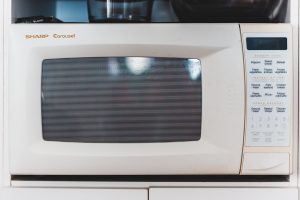
This guide explains the Kitchenaid Microwave F6 Error: what it means, what causes it, and how to resolve it safely.
Understanding the Kitchenaid Microwave F6 Error
Below, our specialists break down everything you need to know about the Kitchenaid Microwave F6 Error.
Understanding the Kitchenaid F6 Error
Below, our specialists break down everything you need to know about the Kitchenaid F6 Error.
What F6 means on your KitchenAid Microwave
When a KitchenAid microwave flashes F6, the control board is telling you a problem detected in the magnetron circuit — either a failed magnetron tube, a high-voltage component failure, or a current-sense circuit reporting abnormal operation. In plain terms, magnetron problem is what’s happening behind the scenes.
This particular KitchenAid F6 error exists because the appliance’s designers wanted a clear failsafe rather than silent malfunction. It’s a useful signal, not a punishment — it tells you precisely which subsystem needs attention before you spend money guessing. A power cycle does not repair a failed magnetron or high-voltage component. The problem returns on the next cook attempt and may worsen the damage.
Symptoms
- The control panel displays the F6 error code and refuses to clear with normal button presses.
- The code returns immediately after every power cycle because the problem is a hardware condition, not a software hiccup.
- Related symptoms can include the specific issue described by “Failed magnetron tube” — the magnetron has reached end of life and is no longer producing microwave energy efficiently, or is drawing abnormally high current. Magnetrons typically last 8–15 years depending on use patterns.
- Cooking or heating functions tied to this problem (magnetron problem) are locked out until the code is resolved.
- In some cases you’ll also notice signs pointing toward “high-voltage transformer winding problem”.
Common causes
A KitchenAid microwave throws this code for a short list of reasons, most of which point to one part or connection:
- Failed magnetron tube. The magnetron has reached end of life and is no longer producing microwave energy efficiently, or is drawing abnormally high current. Magnetrons typically last 8–15 years depending on use patterns. This typically requires a technician to resolve.
- High-voltage capacitor or diode shorted. The HV capacitor or rectifier diode in the voltage-doubler circuit has shorted, causing the primary side to draw excessive current that the board logs as a magnetron problem. This typically requires a technician to resolve.
- High-voltage transformer winding problem. A winding short in the high-voltage transformer produces abnormal primary current or heat, which the board detects via its current-sense circuit and reports as a magnetron circuit failure. This typically requires a technician to resolve.
Troubleshooting steps you can try
Work through these checks in order — each is safe for a homeowner and helps narrow down what is causing the problem on your KitchenAid microwave before you call anyone.
- Unplug the microwave immediately. Disconnect power at the plug or breaker. Do not operate or diagnose further — the internal high-voltage components store potentially lethal charge even after unplugging, and the F6 problem indicates something in that circuit has failed. Never remove microwave covers yourself. The high-voltage capacitor can hold a lethal charge for days after power is removed and must be discharged by a technician with the correct tools.
- Schedule professional service. Call a qualified appliance repair technician. Explain that the microwave has F6 and describe any unusual sounds or smells. The technician will bring the correct high-voltage test equipment and safety gear. For built-in and combination oven microwaves, F6 repair costs can approach replacement value. Ask the technician to estimate total repair cost before authorizing parts.
When to call a technician
Some microwave problems need professional tools and parts. Call an experienced technician when:
- Magnetron replacement restores normal heating
- HV capacitor tests shorted on a bench
- Transformer measures abnormal primary resistance indicating winding damage
When the F6 error persists after these steps, an experienced technician should take over. You can schedule service in minutes, review other microwave error codes, or check specs at kitchenaid.com.