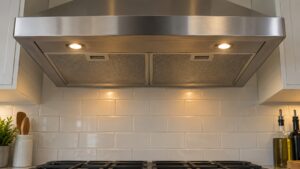
This guide covers Kitchenaid Range Hood Installation & with practical, technician-backed advice.
A KitchenAid range hood installation depends on three things above all: correct mounting height above the cooking surface, ductwork that vents outdoors rather than recirculating (when possible), and a CFM (airflow) rating matched to your range or cooktop’s output — get any of these wrong and the hood will underperform no matter how well it’s mounted.
Understanding the Kitchenaid Range Hood Installation &
Below, our specialists break down everything you need to know about the Kitchenaid Range Hood Installation &.
Mounting Height Matters More Than You’d Think
Range hoods are typically installed 24 to 30 inches above the cooking surface, and the exact figure depends on the model and whether you’re cooking with gas or electric. Mount a hood too high and it loses much of its capture efficiency; mount it too low and it becomes a head hazard and can overheat from stovetop proximity. Always follow the specific clearance listed in your model’s installation manual rather than assuming a standard measurement applies.
Ducted vs. Ductless (Recirculating) Venting
Ducted range hoods vent smoke, steam, and grease outside through ductwork and are significantly more effective at clearing cooking byproducts than ductless models, which filter air through a charcoal filter and recirculate it back into the kitchen. If your kitchen doesn’t already have ductwork in place, running new duct through a wall, ceiling, or cabinet is the single biggest driver of installation cost and complexity — particularly for downdraft cooktop setups where duct has to run down and out rather than up.
Matching CFM to Your Cooking Setup
A hood’s CFM rating needs to scale with the BTU output of a gas range or cooktop, or the wattage of an electric or induction unit. Underpowered ventilation on a high-output gas range means smoke and odors linger regardless of how well the hood is installed. If you’re deciding on a new range and hood together, see our range installation guide for how the two decisions connect.
Electrical Requirements
Most range hoods run on a standard 120V circuit, though some higher-end models with heat sensors, variable-speed blowers, or built-in lighting draw more and may need a dedicated circuit. Confirm your model’s electrical spec before installation, particularly if you’re upgrading from a basic hood to a full-featured one.
What Affects Installation Cost
Cost depends heavily on whether existing ductwork can be reused, whether new duct needs to be run through finished ceilings or walls, the hood’s weight and mounting type (wall-mount, under-cabinet, or island), and whether electrical work is needed. Island range hoods, which require ductwork routed through the ceiling, are typically the most involved installations.
Why Professional Installation Pays Off
Poor ductwork routing — too many bends, undersized duct diameter, or duct that vents into an attic instead of outside — is one of the most common range hood installation mistakes, and it silently reduces performance for years without an obvious symptom. An experienced technician sizes the ductwork correctly the first time and confirms proper mounting height and secure attachment to structural framing. For current KitchenAid range hood models and specifications, visit KitchenAid’s official site.
Noise Levels Worth Considering
Range hood noise is measured in sones, and higher CFM models are not automatically louder if properly sized ductwork and blower placement are used. Undersized ductwork forces the blower to work harder and generates more noise than the same hood would produce with correctly sized duct, which is another reason ductwork planning deserves as much attention as the hood itself.
Insert and Liner Hoods
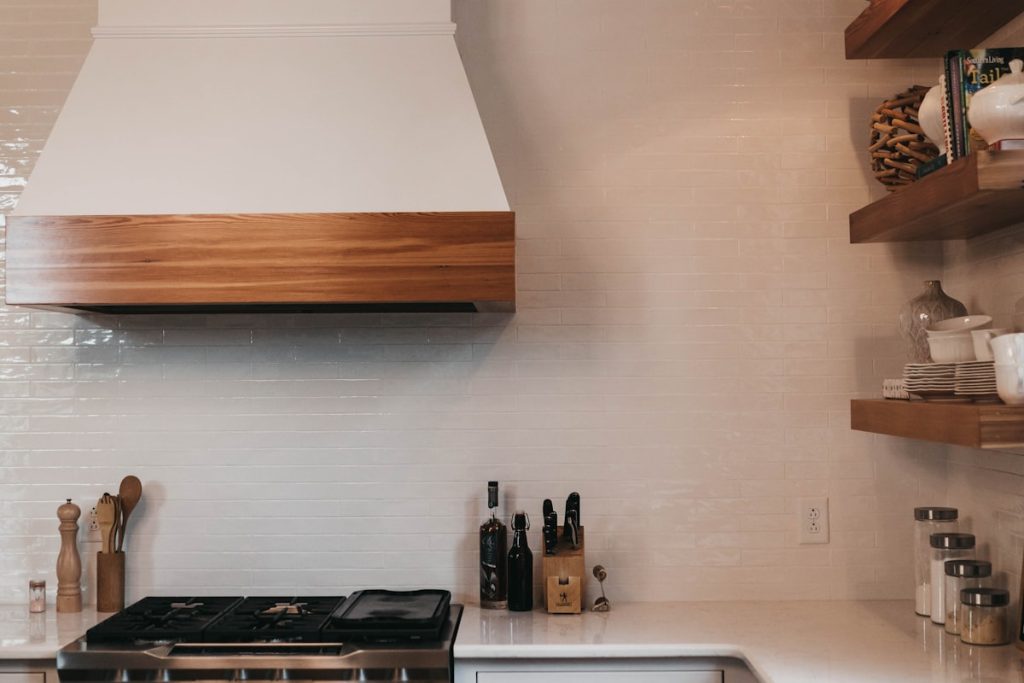
Some KitchenAid range hood models are designed as inserts or liners meant to sit inside a custom wood or decorative hood shell built by a cabinetmaker. These require coordinating the insert’s exact dimensions and duct connection point with the shell design well before installation day, since retrofitting a mismatched insert into an already-built shell is far more difficult than planning both together.