This overview covers Kitchenaid Microwaves — the lineup, signature technologies, common problems, and upkeep.
KitchenAid built its microwave lineup around one idea: a microwave shouldn’t look or feel like an afterthought bolted above the range. From slim over-the-range hoods to built-in units designed to flank a wall oven, the line prioritizes finish quality and integration into a broader kitchen suite over sheer wattage numbers.
Understanding the Kitchenaid Microwaves
Below, our specialists break down everything you need to know about the Kitchenaid Microwaves.
The KitchenAid microwave lineup
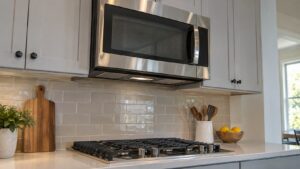
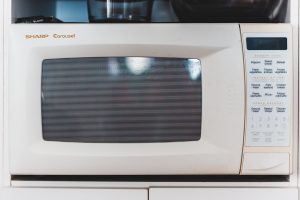
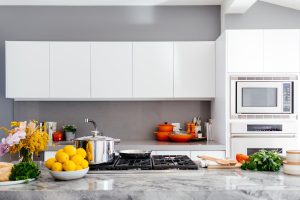
Over-the-range models remain the most common configuration, combining a vent hood, light, and microwave cavity in one footprint above a range or cooktop. Built-in microwaves are designed to install flush with cabinetry, often stacked above or beside a matching wall oven for a unified look, while combination microwave-oven units go a step further by sharing a single door and control panel across both cooking modes. A smaller number of freestanding countertop models round out the lineup for kitchens without the cabinet space for a built-in.
Signature technology
Higher-tier models pair the microwave cavity with Even-Heat convection, which adds a dedicated heating element and fan so the unit can bake or roast rather than just reheat. Sensor cooking cycles use humidity detection to judge doneness automatically on popcorn, vegetables, and reheating cycles without a manual timer. Exterior finishes commonly include PrintShield coating, a fingerprint- and smudge-resistant stainless treatment that holds up better than standard stainless in a household with frequent hands-on use.
How performance changes with age
The most noticeable early sign of wear is inconsistent heating, food that’s hot on the edges and cool in the center, which usually traces back to a weakening magnetron rather than anything wrong with the settings. Turntables slow down or stop turning as their drive motor wears, door latches develop play that can trip a safety switch, and keypads lose responsiveness in the most-used buttons first, typically the start button and time presets. On combination units, a shared control board sometimes shows symptoms on the oven side even when the microwave circuit is the actual source of the problem.
Everyday care
Wiping down the interior after spills prevents splattered food from carbonizing onto the waveguide cover, a thin panel that protects the magnetron and is one of the most common failure points on units used daily. Avoiding metal cookware and foil prevents arcing that can damage the cavity coating, and leaving the door slightly ajar between uses in humid kitchens helps prevent moisture buildup around the door seal. Households running a combination microwave-oven unit heavily for both functions should expect the shared components to wear a little faster than a dedicated single-purpose microwave.
When to call a technician
A microwave that hums but doesn’t heat, clicks without starting, or displays an error code the manual doesn’t explain usually needs a hands-on diagnosis rather than a guess at replacement parts. If yours is showing any of these signs, our microwave repair service page details what a visit involves, and our guides section has troubleshooting steps you can try before booking. For manufacturer specifications on current and past microwave models, KitchenAid.com maintains a full product archive.
Repair versus replacement
Because a magnetron replacement can represent a meaningful share of what a new microwave costs, that specific repair is where the replacement conversation comes up most often — though on a built-in or over-the-range model matched to surrounding cabinetry or a range hood, replacing just the magnetron is usually still the more practical choice over a full appliance swap. Simpler failures, including door switches, keypads, and cooling fans, are inexpensive enough that repair is almost always the better call regardless of the unit’s age.
Choosing between configurations
Homeowners renovating a kitchen often weigh an over-the-range model against a built-in unit paired with a wall oven. Over-the-range models save cabinet space and double as a range hood, but built-in units free up the space above the cooktop for a traditional hood and typically offer more consistent venting and less noise. Combination microwave-oven units make sense in kitchens tight on vertical wall space, though they concentrate more components behind a single door and control panel, which is worth knowing if reliability of independent function matters more than footprint.